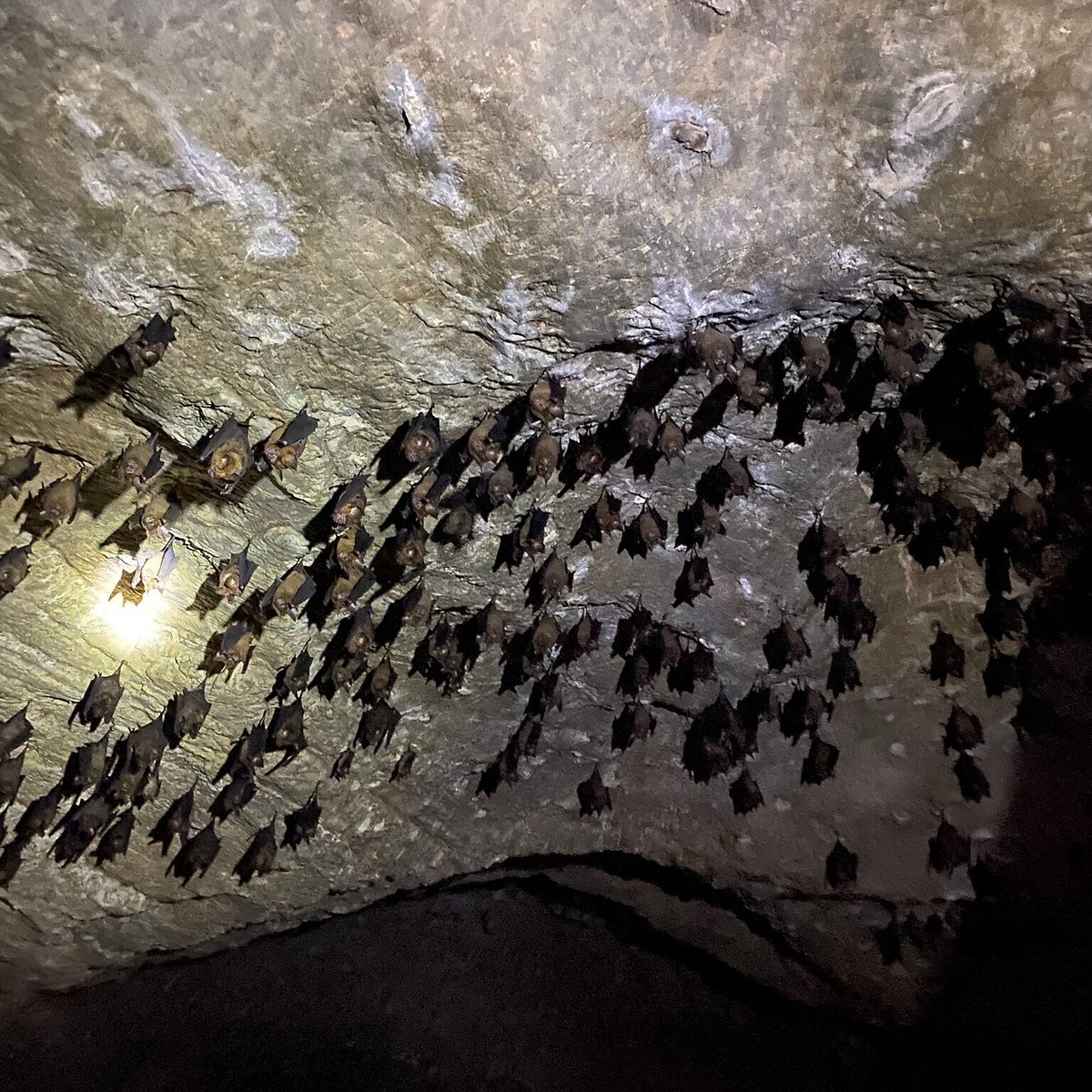
Gua Kelawar
A limestone cave system inhabited by colonies of fruit bats and insectivorous bats. Walkways allow visitors to observe the formations and the bat populations closely.
Bring a small flashlight for better visibility of rock formations.

Boats leave Sungai Kilim Tourist Jetty throughout the day, and traveller write-ups about them contradict one another constantly. This Langkawi Mangrove Tour Reviews Guide sorts the recurring praise from the recurring complaints. It explains which details inside a review actually predict the trip a visitor will get.
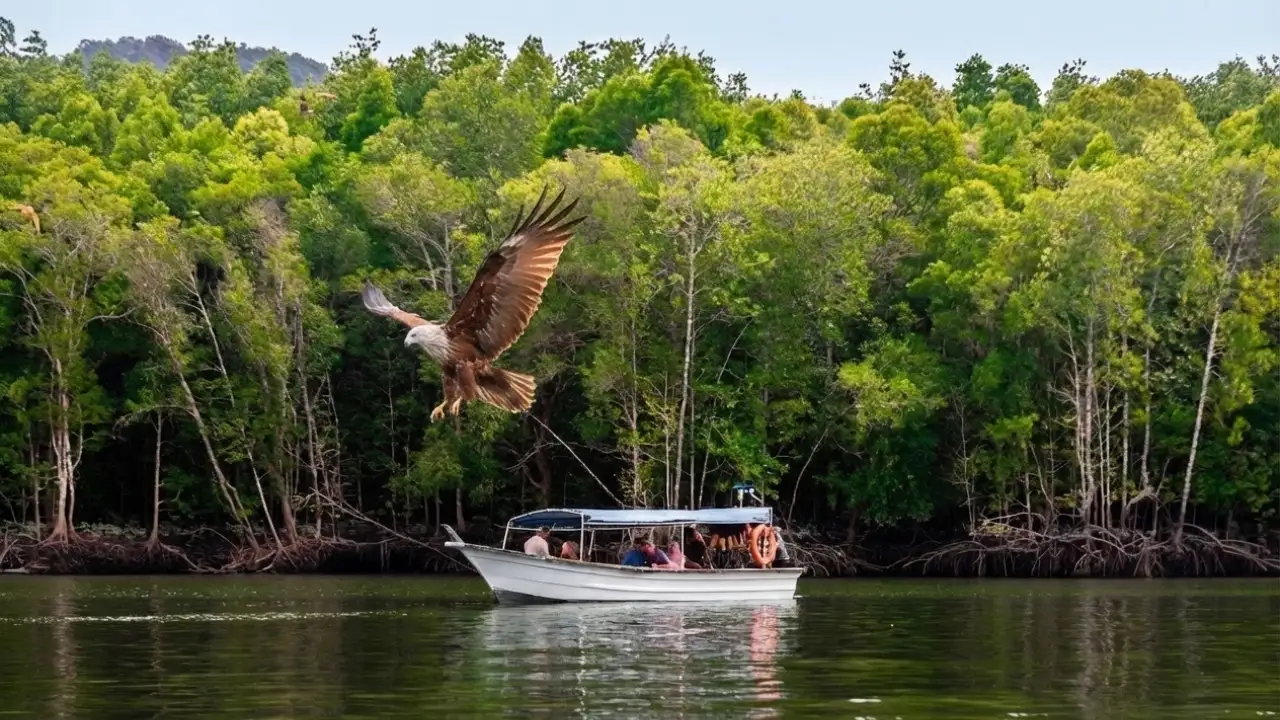
Quick answer
Reviews converge on a single practical verdict: arrive at Sungai Kilim Tourist Jetty between 09:00 and 11:00. Boats run within a daily 09:00–17:00 operating pattern, and early departures draw the strongest write-ups for cooler air, active wildlife and fewer crowds. Recurring criticism targets eagle-feeding practices and hurried cave stops rather than the karst scenery itself.
The limestone that frames every mangrove channel in Kilim Karst Geoforest Park belongs to the Setul Formation, rock laid down roughly half a billion years ago — older than the dinosaurs by a wide margin. That geology explains why langkawi mangrove tour reviews so often describe the same cliffs in completely different terms. One reviewer sees a cathedral of karst; the next sees a queue of boats beneath it. Both were on the water. They were rarely on the same route. Read enough of them and a pattern emerges. Most Kilim Geoforest Park boat tours share a common backbone — Sungai Kilim, the eagle-watching stretch, Gua Kelawar bat cave, a floating fish farm and the narrow gap known as Hole in the Wall — but operators sequence those stops differently and spend wildly different amounts of time at each. Complaints usually trace to pace rather than place: forty minutes at a souvenir-heavy fish farm, ten at the cave. Praise tends to follow guides who name what passes overhead, distinguishing a brahminy kite from a white-bellied sea eagle, or who cut the engine so mudskippers and monitor lizards stay put. Tide state matters too, and reviewers rarely mention it, though a low tide is what exposes the root systems and the crab-strewn mudbanks that make the trip legible. The ethics question surfaces constantly. Feeding raptors chicken skin draws birds close and draws criticism just as fast; a growing share of write-ups on this UNESCO Global Geopark now single out operators who have stopped the practice. Anyone comparing a pelancongan bakau Langkawi trip against a wider Langkawi Geopark landmarks itinerary should weigh that alongside boat size, since a six-seater and a thirty-seater produce very different accounts of the same channel. Larger craft cover the Kilim river faster and stop less; small boats can slip into narrower creeks but sit lower in the wake of everything else on the water. Used well, langkawi mangrove tour reviews function as a route filter rather than a verdict. Check which jetty a review describes — Kilim, Kubang Badak and Tanjung Rhu all launch mangrove trips into different waterways — then check the departure time and whether the writer mentions the small conservation fee at the bat cave. Reviews that specify all three are worth more than a hundred that simply say the scenery was good.
“Reviews that name the jetty, the tide and the hour are worth more than a hundred that simply say the scenery was good.”
The Sungai Kilim Tourist Jetty operates daily to accommodate visitors planning a mangrove tour in the Langkawi Geopark.
The Kilim Geopark is located at the Sungai Kilim Tourist Jetty in Kampung Kilim. The most direct way to reach the site is by road, situated in the Mukim Ayer Hangat area.
Jalan Ayer Hangat (Route 113) to Kampung Kilim
Direct service to Sungai Kilim Tourist Jetty
Input the address Sungai Kilim Tourist Jetty, Kampung Kilim, Mukim Ayer Hangat, 07000 Langkawi, Kedah, Malaysia into your navigation app to ensure arrival at the correct jetty. Parking is available on-site for visitors arriving by private vehicle.
The Kilim Karst Geoforest Park features distinct geological formations and diverse ecosystems accessible via boat tours. These sights highlight the limestone landscape and mangrove wildlife central to the Langkawi Geopark experience.
A limestone cave system inhabited by colonies of fruit bats and insectivorous bats. Walkways allow visitors to observe the formations and the bat populations closely.
Bring a small flashlight for better visibility of rock formations.
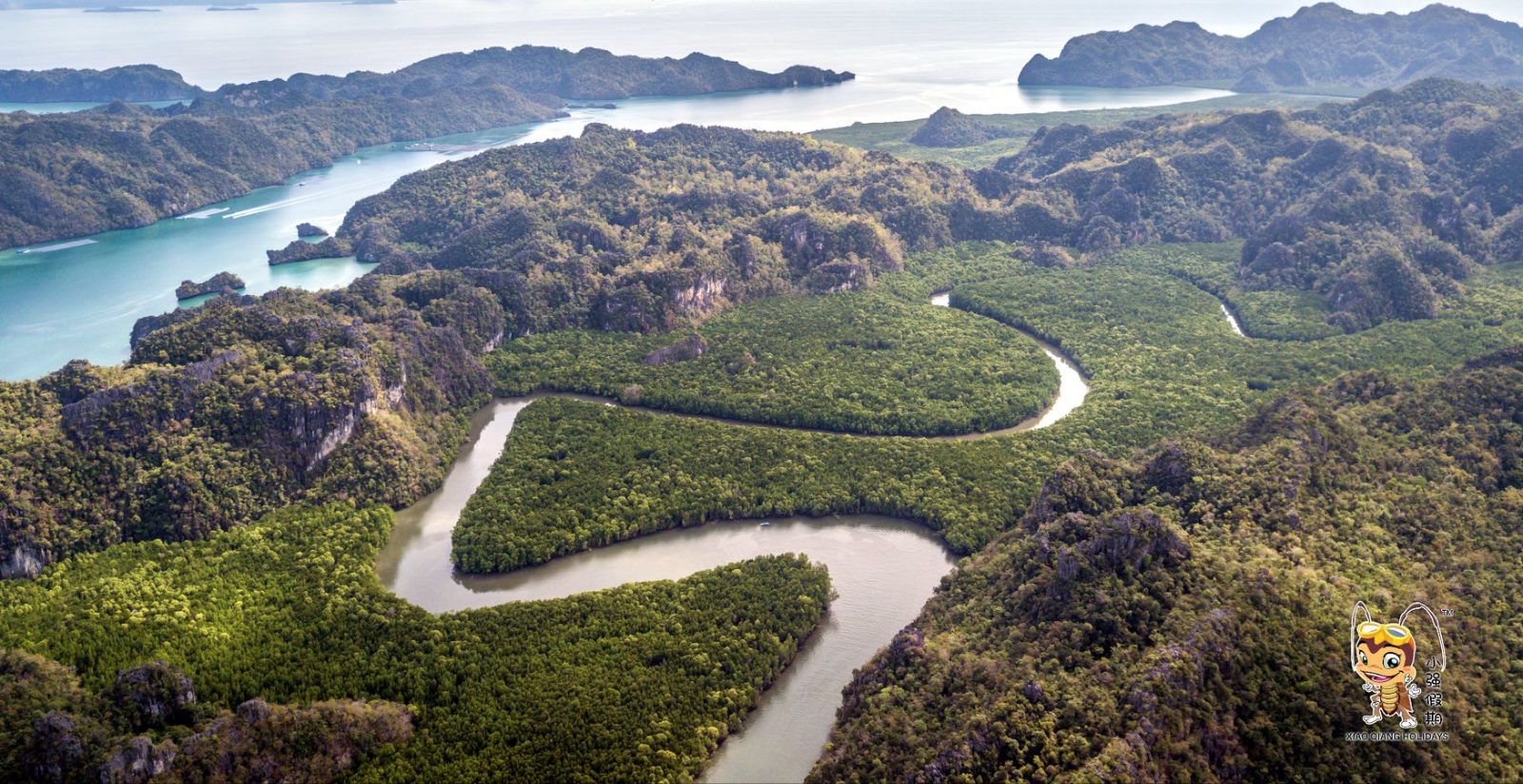
The primary waterway winding through dense mangrove forests, serving as the main artery for wildlife spotting. Visitors often observe monitor lizards, macaques, and various bird species here.
Sit near the front of the boat for better photography angles.
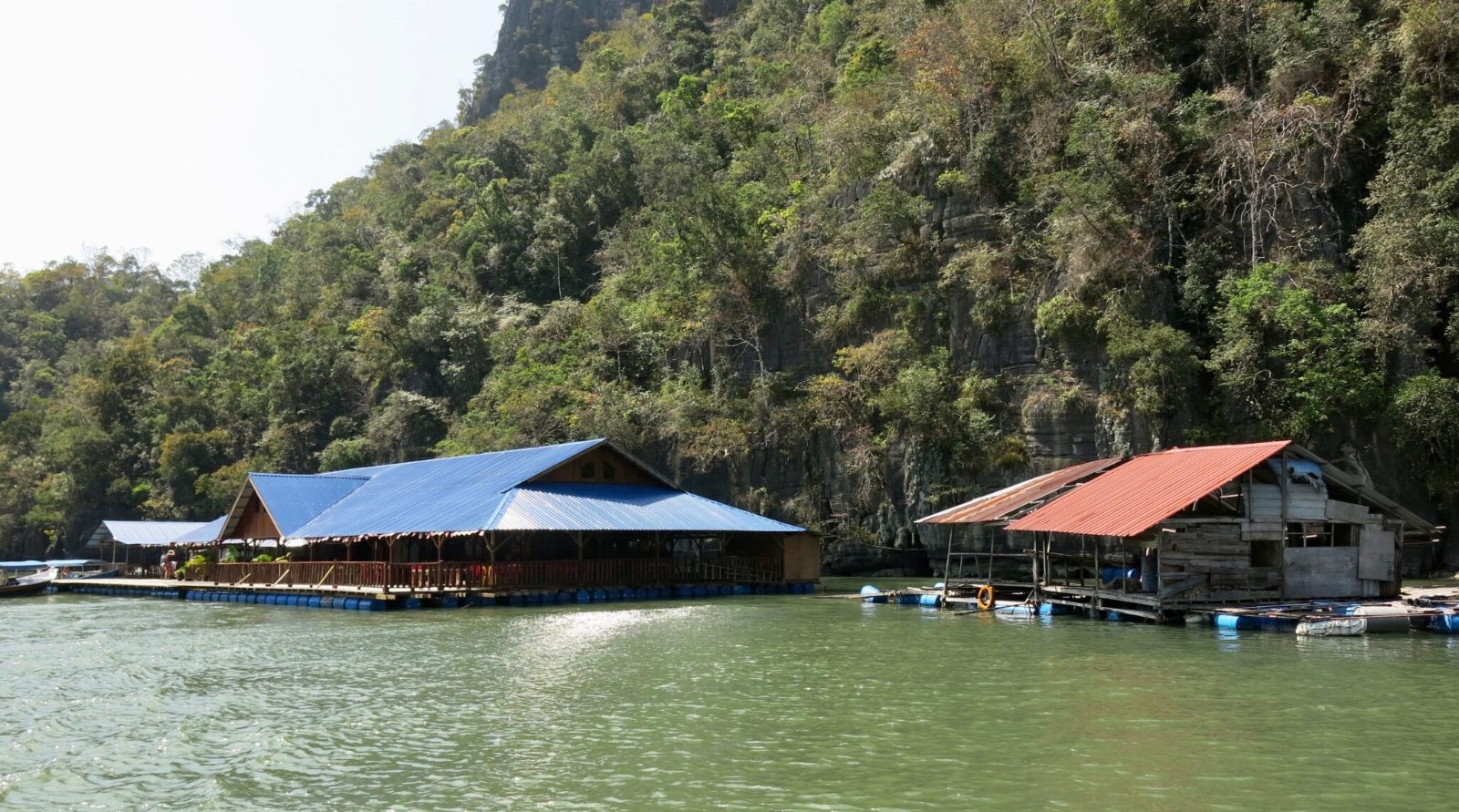
A traditional fish farm structure built on pontoons within the calm waters of the estuary. The facility often displays various marine species including stingrays and groupers.
Ask the guides about the feeding demonstration schedule.
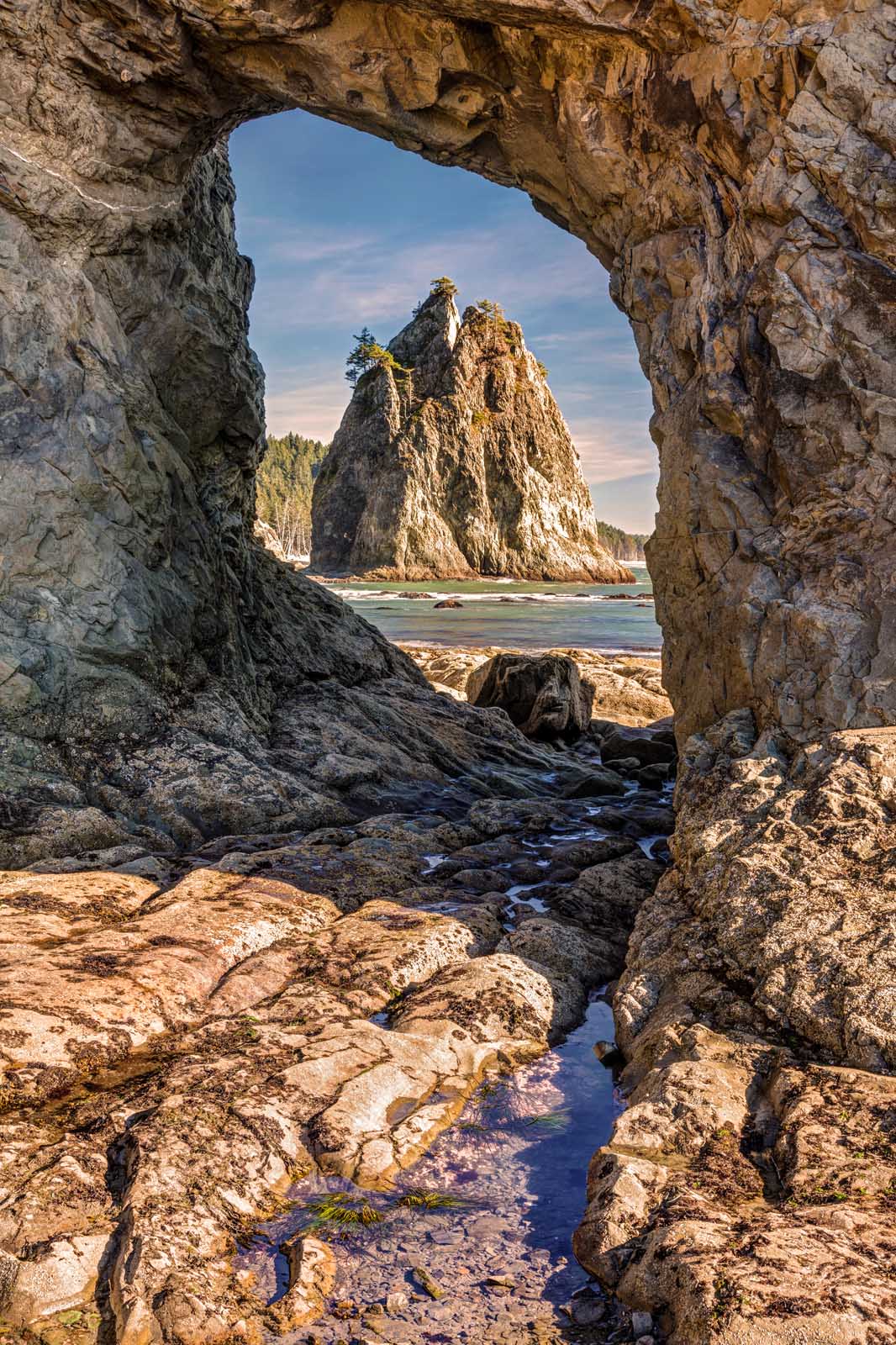
A unique geographical passage formed by eroded limestone cliffs that allows boats to navigate through a narrow natural arch. It represents the geological history of the region's sea levels.
Look up when passing through to see the limestone erosion.
Everything you need to know about langkawi mangrove tour reviews
Many visitors sharing langkawi mangrove tour reviews frequently highlight sightings of macaques, eagles, and various species of monitor lizards within the ecosystem. The experience of navigating the dense limestone karst formations remains a recurring point of interest for travelers.
Reading langkawi mangrove tour reviews helps prospective visitors understand the pacing of the excursion and the level of physical activity involved. These insights allow guests to set realistic expectations for their time spent exploring the Kilim Karst Geoforest Park.
Checking langkawi mangrove tour reviews is considered beneficial for understanding the logistics of the river cruise experience. Past participants often provide helpful tips on gear and preparation for the tropical climate.
Common sentiments in langkawi mangrove tour reviews often praise the informative nature of the guides regarding the local biodiversity. The boat journey through the estuary provides an accessible way to observe the unique geological heritage of this Langkawi landmark.
To ensure a more tranquil experience, langkawi mangrove tour reviews suggest arriving during the best arrival window of 09:00 to 11:00. This timing often aligns with cooler temperatures and more active wildlife, as noted by many travelers.
Most langkawi mangrove tour reviews clarify that while tour prices vary by operator, there is a standard conservation fee for Bat Cave entry of 2 MYR per person. Visitors should confirm if their specific booking includes this mandatory fee to avoid confusion at the jetty.
Recent feedback emphasizes the importance of exploring the Langkawi Geopark during the early morning hours for the best visibility. Travelers often recommend bringing hydration and sun protection to remain comfortable throughout the coastal boat excursion.
Kilim Geoforest Park Tours
Read more GuideTour Timings & Schedule
Read more GuideWhat to Wear & Packing Guide
Read more Tickets & toursTanjung Rhu Mangrove Tours
Read more GuideMangrove Tours vs Island Hopping
Read more Tickets & toursPrivate Boat Tours
Read more Tickets & toursTour Packages & Prices
Read more